In the far reaches of southern Morocco, where the rugged Anti-Atlas mountains gradually slope down toward the Atlantic plains, lie Tiznit and Tafraoute — two enchanting destinations largely untouched by mass tourism. These places are far more than simple tourist stops: they are living testimonies to Berber traditions, geological wonder, and a cultural heritage that feels both ancient and vibrantly alive. For travelers seeking an authentic experience — whether through hiking, history, or spiritual encounters — this region offers a rare and unforgettable journey.
Tiznit: The Silver City That Keeps Tradition Alive
A Fortified Medina with Timeless Charm
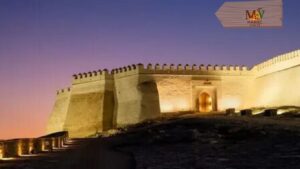
Tiznit, founded in the 19th century by Sultan Moulay Hassan I, is a serene town enclosed by rammed-earth walls, giving it a warm, rustic character. Unlike Morocco’s larger, more crowded cities, Tiznit retains a peaceful pace. Its medina is beautifully preserved: narrow winding alleys, old houses with carved wooden doors, and small lively souks create a tranquil labyrinth for visitors. Rather than feeling like a tourist attraction, Tiznit’s medina feels like stepping into a living, breathing Berber neighborhood.
The Art of Silversmithing: Craftsmanship Passed Through Generations
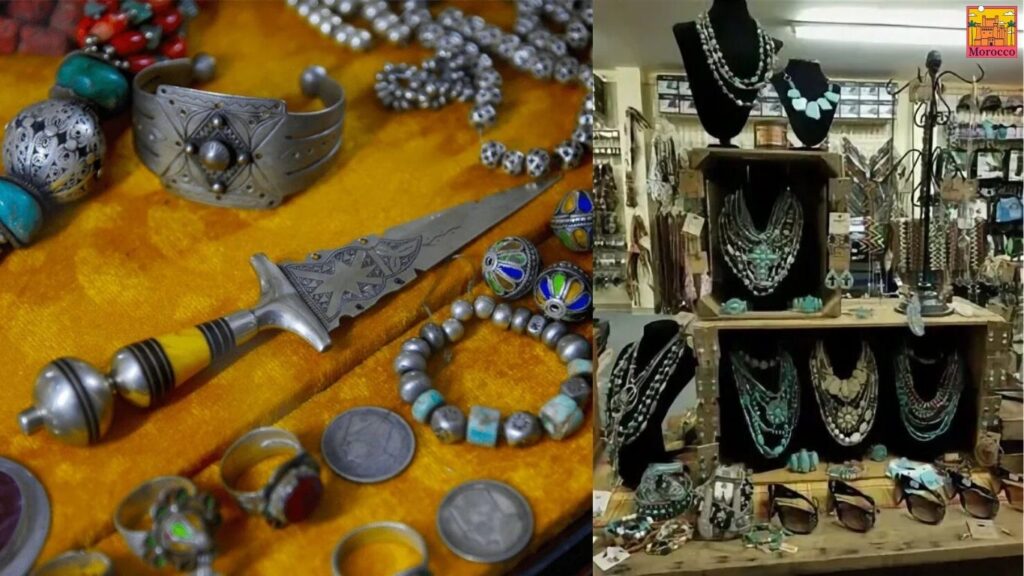
One of Tiznit’s most compelling identities lies in its silver craftsmanship. Skilled local artisans continue ancient techniques to craft delicate fibulae, necklaces, bracelets, diadems, and more — each piece deeply rooted in Berber heritage. These jewelry items are not merely decorative; they carry profound cultural symbolism. Visiting a silversmith’s workshop is a window into masterful precision and artistic passion, where artisans hammer and polish silver by hand, each stroke echoing centuries of tradition.
A Gateway to the Anti-Atlas Mountains
Tiznit’s location makes it an ideal launching point for exploring the Anti-Atlas. Just a few kilometers beyond the town, mountain trails reveal dramatic landscapes: jagged ridges, deep gorges, and remote Berber villages perched on hillsides or tucked into valleys. For trekkers, Tiznit is the perfect balance of comfort and adventure — a place from which to venture into the wild, natural heart of the Anti-Atlas.
Tafraoute: Where Pink Granite Meets Living Berber Tradition
A Landscape Sculpted in Pink Granite
Tafraoute is a small town embraced by soaring pink granite mountains whose hue shifts with the sun. At dawn, these rock formations glow in soft golds; by sunset, they take on reds and purples that paint the horizon. The terrain feels otherworldly — almost lunar — and captivates photographers, geologists, and hikers alike. The carved granite hills and boulders are not just geological wonders; they are a canvas of light and color.
Painted Rocks: An Open-Air Gallery
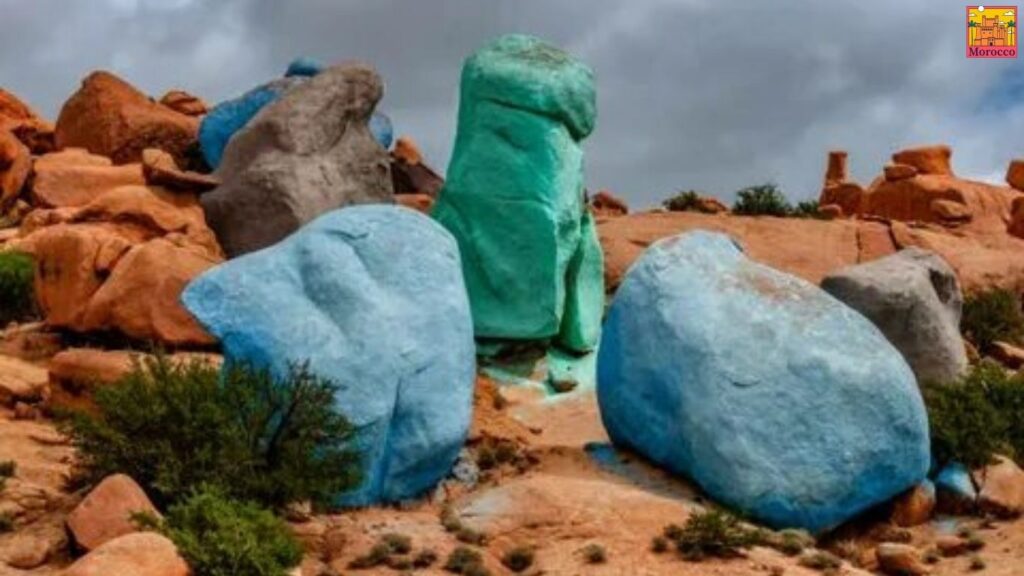
In the 1980s, the Belgian artist Jean Vérame left his mark on Tafraoute by painting several massive boulders in vibrant shades of blue, pink, and violet. These painted rocks now stand as surreal works of art against the natural backdrop of the mountains. The contrast between the raw granite and bold colors makes them a must-see — they are playful, unexpected, and deeply symbolic of the region’s openness to creative expression.
Ammeln Valley: Heart of Amazigh Culture
Just beyond the painted boulders lies the Ammeln Valley, home to dozens of small Berber villages clinging to the mountainside. Stone houses blend seamlessly into terraced slopes, while lush palm groves and fields of crops wind their way through the valley. Here, life moves at a slower pace: women weave, men tend olive trees, and children run barefoot through orchards. The valley is an ideal place to experience genuine Amazigh hospitality, traditional architecture, and centuries-old customs.
Nature & Landscape: The Anti-Atlas in All Its Magnificent Glory
Aït Mansour Valley: The Oasis of Surprising Beauty
Carved into a deep gorge, the Aït Mansour Valley is one of the hidden natural treasures near Tafraoute. A fresh spring nurtures palm trees, fig and almond trees, oleanders, and more — all flourishing in an otherwise arid, rocky terrain. It’s an oasis in the desert where you can relax under palm shade, picnic by the water, or trek along rugged yet gentle paths. For nature lovers, botanical enthusiasts, and hikers, this valley is a peaceful refuge.
Jbel Lkest: The Granite Giant
Towering above the region, Jbel Lkest rises over 2,300 meters — a massive granite massif that challenges even experienced hikers and climbers. The ascent is demanding, but the reward is extraordinary: panoramic views stretch across mountain valleys, remote Berber villages, and seemingly endless desert plateaus. At sunrise or sunset, Jbel Lkest reveals its full grandeur, casting dramatic silhouettes against the sky.
Biodiversity in an Arid Landscape
Though the Anti-Atlas is known for its dry terrain, its biodiversity is surprisingly rich. Argan trees thrive in some areas, euphorbias and cacti dot the rocky slopes, and the skies are alive with rare birds and endemic insects. Reptiles and other small desert creatures find their niche here, making the region a fascinating spot for ecologists, birdwatchers, and anyone drawn to fragile but resilient ecosystems.
Culture & Human Encounters: The Spirit of the Berber People
Warmth and Hospitality to Remember
In Tafraoute, Tiznit, and surrounding villages, hospitality is not just tradition — it’s a way of life. Visitors are often invited into homes for mint tea, shared meals, or conversation under the shade of a courtyard. These moments are simple but profound: a genuine exchange, a peek into daily life, and an opportunity to connect deeply.
Festivals, Ahwach, and Timeless Traditions
Throughout the year, the Berber people of this region celebrate a host of cultural and religious events. From weekly markets to moussem (local festivals), these gatherings showcase Amazigh music, energetic dances like ahwach, traditional costumes, and ancient rituals. Experiencing a festival here means immersing yourself in something vibrant, rhythmic, and deeply rooted in Berber identity.
Activities You Can’t Miss in Tiznit & Tafraoute
Whether you’re an adventure seeker, a cultural traveler, or someone just looking for peace, this region has something for everyone:
- Hiking & Trekking: Explore the Anti-Atlas, Ammeln Valley, and Aït Mansour Valley on foot — from gentle trails to rugged mountain routes.
- Rock Climbing: Tackle granite faces and challenging cliffs, especially around Jbel Lkest.
- Speleology & Archaeology: Explore caves, rock engravings, and ancient Mesolithic sites hidden in the mountain terrain.
- Nature Observation: Track argan trees, endemic insects, unique birds, and desert-adapted flora.
- Coastal Escapes: Tiznit is close to the Atlantic coast — surf, fish, or simply relax on the beach.
- Guided Experiences: Join locals for hunting, fishing, or visiting working Berber workshops (silversmithing, weaving, etc.).
- Cultural Tours: Participate in a traditional Berber festival or visit a souk in a mountain village.
Practical Tips for Visiting Tiznit & Tafraoute
- Best Time to Visit: March–May and September–November offer the most comfortable weather — mild days, cooler nights, and lush landscapes in the anti-Atlas.
- What to Pack: Bring sturdy hiking shoes, a sun hat, sunscreen, a good camera, light clothes for the day, and a warm jacket for the evenings.
- Getting Around: A 4×4 vehicle is strongly recommended for mountain roads and off-the-beaten-track paths.
- Language: The locals mostly speak Amazigh (Berber) and Arabic, though French is commonly understood — and a few may speak English.
- Accommodation: Stay in guesthouses (riads) in Tiznit or traditional Amazigh-style homes in the Ammeln Valley for a truly immersive experience.
- Safety: The region is generally safe. However, mountain roads can be steep and rocky, so good driving skills are needed; always carry water and a map or GPS.
Why Tiznit & Tafraoute Should Be on Your Travel Radar
These two destinations are more than just picturesque stops — they are emotional, soulful places that beat to the rhythm of history and nature. Every alley in Tiznit tells a story of craftsmanship; every granite boulder around Tafraoute seems alive with memory and color. The villages welcome you as a friend, not a tourist, and the landscapes invite calm, reflection, and wonder.
Tiznit and Tafraoute break away from conventional routes. They are not about luxury resorts or mass sightseeing; instead, they offer a timeless pause, an invitation to slow down, observe, and connect. In this corner of southern Morocco, you don’t just travel — you feel, learn, and become part of a living heritage.
Final Thoughts
If you’re planning a trip to Morocco and want to go beyond the usual destinations, Tiznit & Tafraoute deserve a place at the top of your itinerary. Their beauty is subtle yet majestic, and the people you meet along the way will leave you with memories you won’t soon forget. Whether it’s the glint of silver in a Tiznit workshop, the glowing pink granite at sunset, or sharing mint tea with a Berber family in a village, this journey is one of discovery, authenticity, and heart.